January 8, 2026
Can You Tuck Point in Cold Weather? Here’s What You Need to Know
Tuckpointing is a crucial maintenance task for brick and stone structures. Over time, mortar joints between bricks can wear out, crack, or deteriorate, compromising the integrity of your building. When this happens, tuckpointing becomes essential to restore the structure and ensure its longevity. However, one question often arises: can you tuck point in cold weather? If you’re wondering whether this is a viable option, especially when seeking masonry contractors near me, the answer is yes, but with certain considerations.
The Importance of Tuckpointing for Your Home or Building
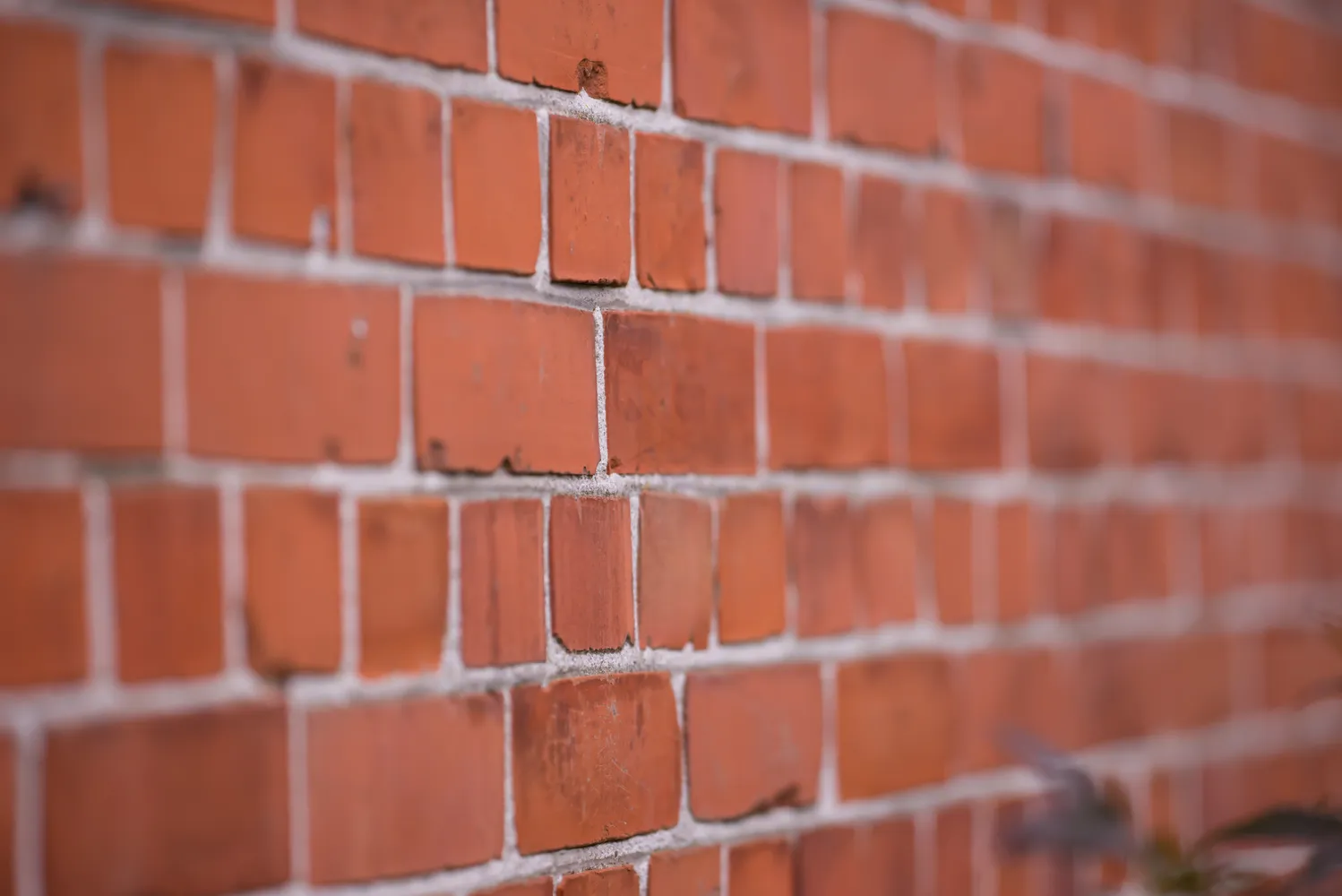
Tuckpointing involves removing old or damaged mortar from between bricks and replacing it with fresh mortar. It’s vital for maintaining the structural integrity of brick walls, chimneys, and other masonry structures. Tuckpointing not only improves the appearance of your home but also enhances its strength and durability, preventing moisture infiltration that could lead to severe damage over time.
Before you start searching for tuckpointing near me, it’s essential to understand the role weather plays in this process. The effectiveness of tuckpointing is influenced by temperature, moisture, and humidity levels. Typically, the best conditions for tuckpointing are dry, moderate temperatures. But what happens when the mercury drops, and you’re dealing with winter weather? Let’s dive deeper.
Can You Tuck Point in Cold Weather?
The simple answer is: yes, you can tuck point in cold weather, but there are specific factors to consider. Cold weather can impact the quality and durability of the mortar, so masonry contractors need to take extra precautions when working in low temperatures. Most professional masonry contractors near me are trained to handle these conditions, but it’s crucial to choose one that follows industry standards to ensure a proper job.
Temperature Guidelines for Cold-Weather Tuckpointing
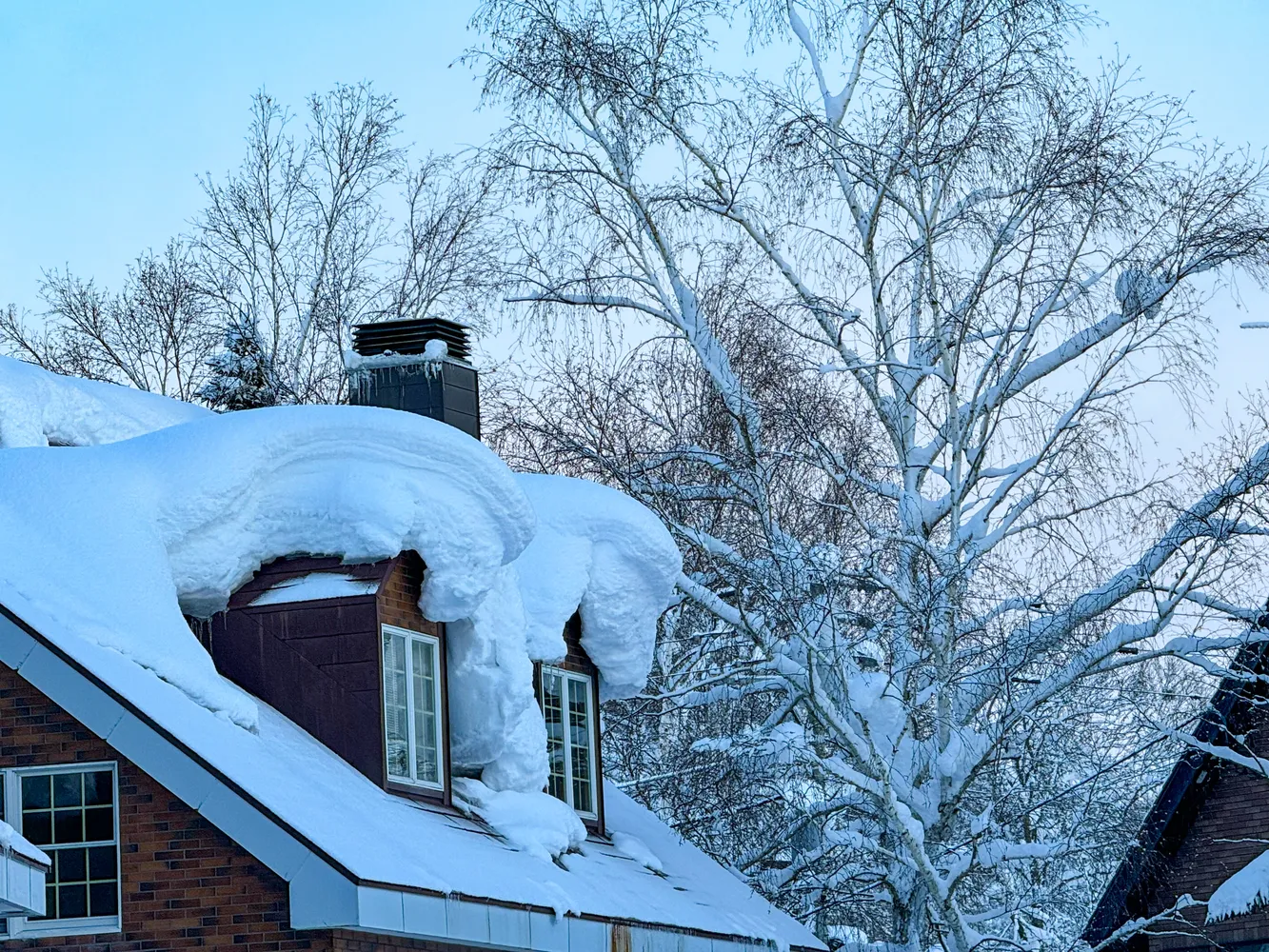
When the temperature falls below 40°F (4°C), masonry contractors face increased risks while performing tuckpointing. Mortar, when mixed with water, must properly cure to bond and set. Cold weather can slow down this process, causing the mortar to freeze before it has a chance to fully cure. Frozen mortar is less effective and may crack or fail to bond properly, leading to premature deterioration of the structure.
To combat these issues, professional contractors typically avoid tuckpointing when the temperature is below freezing. However, they can take steps to mitigate the risks and continue working in cooler temperatures. Here are a few practices masonry contractors follow for cold-weather tuckpointing:
- Use of Warm Mortar: To ensure proper curing, some contractors warm the mortar before application. This helps the mixture maintain its consistency and sets properly, even in chilly temperatures.
- Heated Work Areas: Contractors may use temporary heaters or enclose work areas to keep the temperature stable. This method ensures that the mortar can cure correctly and prevents it from freezing.
- Cold-Weather Mortar Additives: Special cold-weather additives are available that help the mortar cure faster and more effectively. These additives can prevent the mixture from freezing and allow the mortar to bond well, even in freezing conditions.
- Postponing Work During Severe Cold: When temperatures plummet significantly, it’s often best to postpone tuckpointing altogether. Even with heaters and additives, extreme cold can still interfere with the overall quality of the work.
If you’re planning to have tuckpointing done during the colder months, be sure to ask masonry contractors near me about the precautions they take and whether they’re experienced in handling winter tuckpointing.
The Risks of Tuckpointing in Cold Weather
Although cold-weather tuckpointing is possible, there are some inherent risks. These risks can lead to costly repairs if the work is not done correctly. These include:
- Weakened Mortar Bonding: Mortar that does not cure properly will not bond effectively with the brick or stone. Over time, this can lead to cracks, gaps, and structural issues that are expensive to fix.
- Cracking and Deterioration: Frozen mortar can cause cracks in the material, reducing the strength of the mortar joint. If the mortar fails, it can lead to serious damage to the masonry, which may require additional repairs down the line.
- Water Penetration: Improperly cured mortar can allow water to seep into the brick joints. This can cause freezing and thawing cycles within the mortar, leading to expansion and contraction that worsens cracks.
These are serious risks that can affect the long-term stability of your masonry. That’s why it’s essential to carefully choose masonry contractors near me who have the expertise and experience to handle cold-weather conditions.
Tuckpointing Near Me: Finding the Right Professionals
If you’re asking, can you tuck point in cold weather in your area, the key to success lies in finding experienced professionals who are knowledgeable about working in various weather conditions. When searching for tuckpointing near me, look for contractors who:
- Are licensed and insured.
- Have experience working in cold-weather conditions.
- Use high-quality materials and industry-approved techniques.
- Offer warranties for their work.
When searching for masonry contractors near me, it’s always a good idea to check reviews and ask for recommendations. Word-of-mouth referrals and customer feedback can help you find a trustworthy contractor who will complete your project correctly, no matter the weather.
Preparing for Tuckpointing in Cold Weather
If you’ve decided to move forward with tuckpointing during the colder months, here are a few steps to take to prepare:
- Consult with the Contractor: Before scheduling work, discuss your concerns with the contractor and make sure they are equipped to handle cold-weather tuckpointing.
- Check the Weather Forecast: Plan the job during a period when the temperatures are expected to stay above freezing. Extreme fluctuations in temperature can make tuckpointing more challenging.
- Consider Temporary Insulation: If possible, arrange for temporary insulation or heating in the area being worked on. This can help the mortar cure properly and prevent freezing.
- Be Patient: Cold-weather tuckpointing may take longer to complete. Be prepared for potential delays, especially if the weather becomes too extreme.
Final Thoughts
While it’s possible to tuck point in cold weather, it requires the right conditions, materials, and techniques. It’s always best to hire experienced masonry contractors near me who understand the intricacies of winter tuckpointing. If you’re planning a tuckpointing project during the colder months, make sure to ask contractors about their approach and ensure they take proper precautions to ensure a lasting, high-quality result.
By taking the time to find the right professionals and preparing for cold-weather challenges, you can enjoy the benefits of a well-done tuckpointing job that will protect your home or building for years to come. So, the next time you’re seeking tuckpointing near me, make sure to consider the weather and choose a contractor who’s ready for the task; no matter the temperature.