September 1, 2025
How to Match Mortar Color for Tuckpointing?
When you walk past a brick building that looks seamless, chances are the mortar joints have been carefully maintained and matched to the original work. Mortar isn’t just glue that holds bricks together; it’s also a design element that contributes to the building’s overall appearance. A poor color match during repairs can make an otherwise beautiful structure look patchy and uneven. That’s why knowing how to match mortar color for tuckpointing is such an important skill for both homeowners and contractors.
In this post, we’ll explore why mortar color matching matters, how the process works, and how to find skilled professionals when you’re searching for masonry near me or tuckpointing near me.
Why Mortar Color Matching Matters
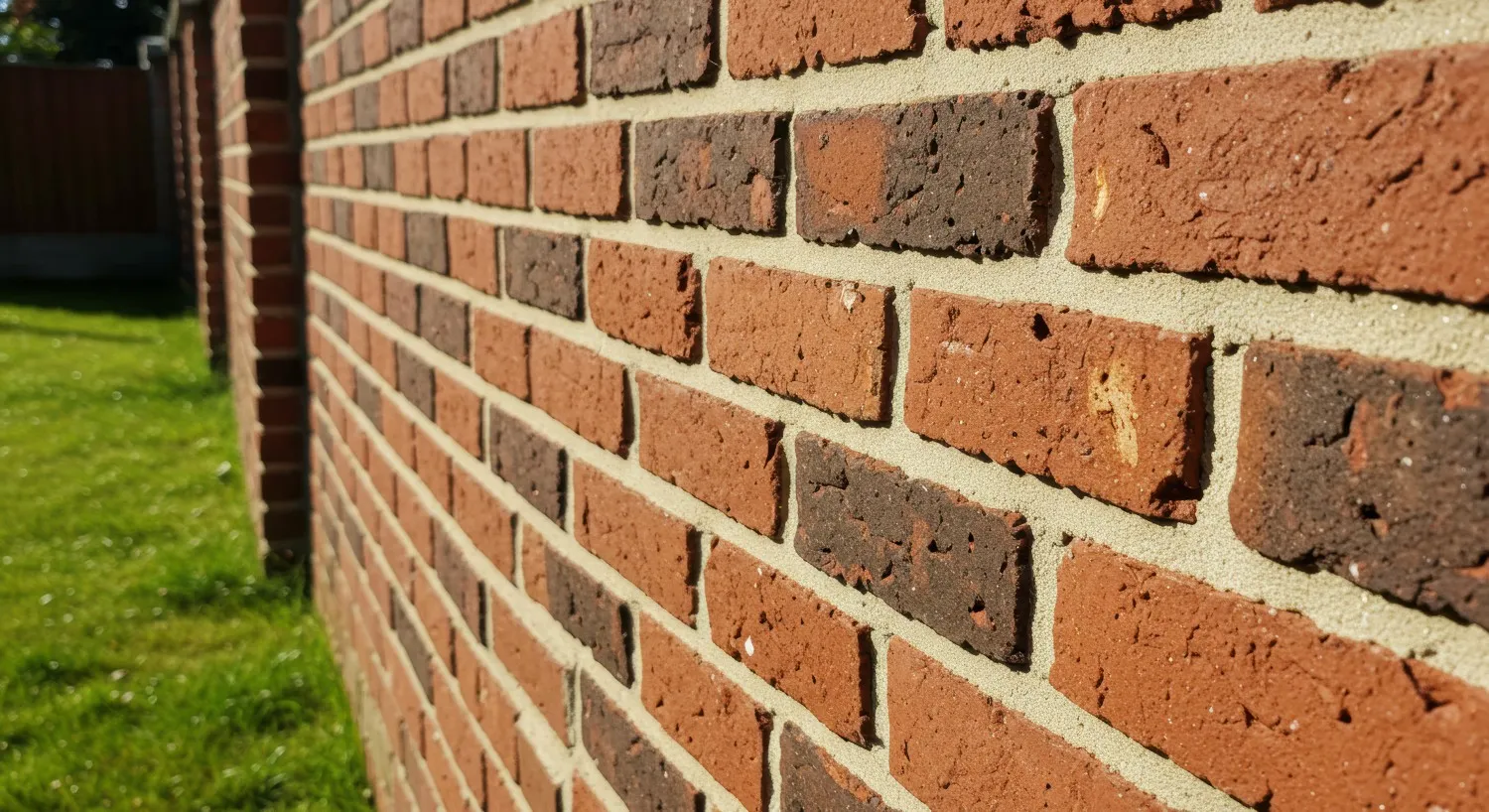
Mortar makes up about 15–20% of a brick wall’s visible surface. That means its color can either enhance or disrupt the look of your brickwork. If new mortar doesn’t blend well with the existing joints, it creates a mismatched effect that lowers curb appeal. For historic buildings, mismatched mortar can also reduce authenticity and even lower property value.
This is where how to match mortar color for tuckpointing becomes a crucial consideration. Whether you’re repairing a chimney, fixing crumbling joints, or restoring a full brick façade, accurate color matching ensures your home or building retains a consistent, polished look.
Factors That Affect Mortar Color
To understand the process of matching, it helps to know what influences mortar color in the first place:
- Cement Type – Different cement types (gray or white) create distinct base colors.
- Sand Color – Sand makes up the majority of mortar mix, so its shade greatly impacts the final result.
- Pigments – Some mortars use oxide pigments to achieve custom tones.
- Mix Ratios – Even slight variations in the ratio of cement, lime, and sand can alter the finished color.
- Weathering and Age – Over time, exposure to sunlight, rain, and pollution causes mortar to darken or fade, which must be accounted for in repairs.
How Professionals Match Mortar Color
Matching mortar isn’t guesswork; it’s a careful process that balances science and craftsmanship. Here’s how experts usually do it:
- Analyze the Existing Mortar – A sample of the old mortar is examined for sand color, texture, and composition. Some contractors even use lab testing for precise results.
- Choose the Right Cement Base – White cement is often used because it allows for more flexibility when adding pigments.
- Match the Sand – Sand is the biggest factor in achieving a match. Professionals often source sand from local suppliers to replicate the original look.
- Adjust the Pigments – Small amounts of pigment are added and tested until the color resembles the existing mortar.
- Test and Cure Samples – Because mortar changes color as it dries and cures, professionals create small batches, let them cure, and compare them to the original before proceeding with full-scale tuckpointing.
This attention to detail is one of the main reasons homeowners seek out specialized services rather than attempting DIY solutions.
DIY vs. Hiring Professionals
If you’re handy, you might be tempted to try color matching on your own. While DIY tuckpointing kits exist, the risk of a visible mismatch is high. Once mortar hardens, it’s almost impossible to change without grinding it out again; a time-consuming and costly mistake.
Hiring a professional ensures precision and long-lasting results. When searching online for tuckpointing near me or masonry near me, look for companies that specifically mention mortar color matching as part of their services. Reviews, photos of past projects, and experience with historic preservation can also help you choose the right contractor.
Tips for Homeowners
Even if you hire a professional, it helps to know what to expect. Here are a few homeowner tips:
- Ask for Test Samples – Reputable contractors should be willing to create small test patches before finalizing the mix.
- Consider the Weather – Mortar cures differently depending on humidity and temperature. Professionals time the work to minimize inconsistencies.
- Maintain Consistency – If you plan future repairs, ask your contractor to note the exact mix for reference.
- Budget for Quality – The cheapest quote may not include careful color matching, so confirm what’s covered in writing.
Long-Term Benefits of Proper Color Matching
Spending the extra effort (and sometimes cost) on matching pays off in several ways:
- Curb Appeal – A seamless finish enhances your property’s overall appearance.
- Structural Integrity – Proper mortar mix ensures durability as well as aesthetics.
- Property Value – Well-maintained brickwork preserves or even increases home value.
- Preservation – For historic homes and buildings, accurate mortar matching helps maintain authenticity and charm.
Final Thoughts
Learning how to match mortar color for tuckpointing is more than just a technical process; it’s a way to protect the beauty and value of your home. While it’s possible to experiment with DIY mixes, hiring experienced professionals will deliver the most reliable results.
Next time you search for tuckpointing near me or masonry near me, look for experts who emphasize mortar color matching. This detail might seem small, but it’s what makes the difference between an obvious repair and a flawless restoration.