March 3, 2026
Average Cost of Tuckpointing a Chimney
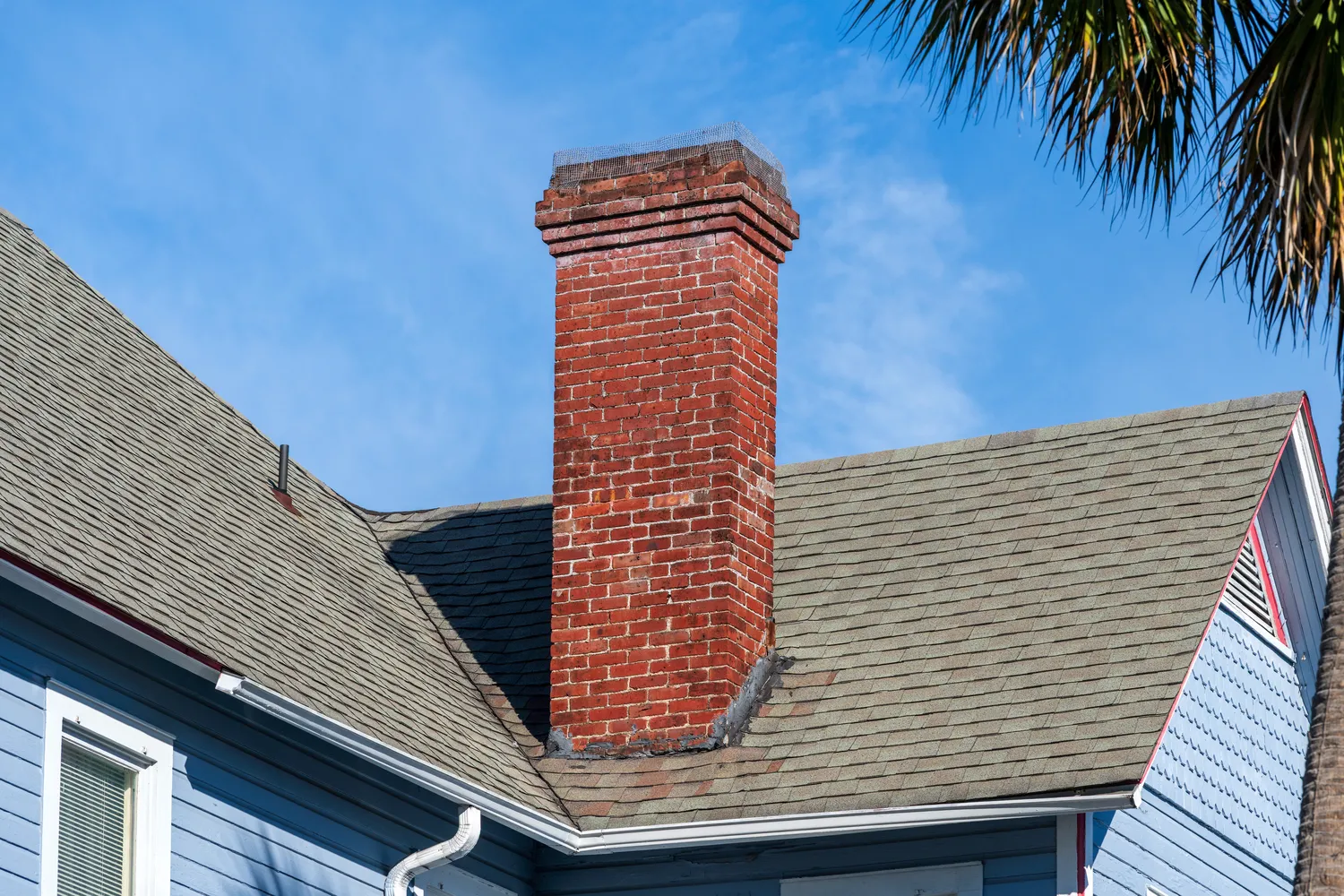
Understanding the average cost of tuckpointing a chimney is often the first step in preserving the structural integrity of your home. A chimney is more than just a decorative stack on your roof: it is a complex venting system that endures extreme temperature fluctuations, wind, rain, and snow. When the mortar between your bricks begins to crumble, it creates a pathway for moisture to seep into the structure, leading to costly interior damage.
Why Tuckpointing is Non-Negotiable
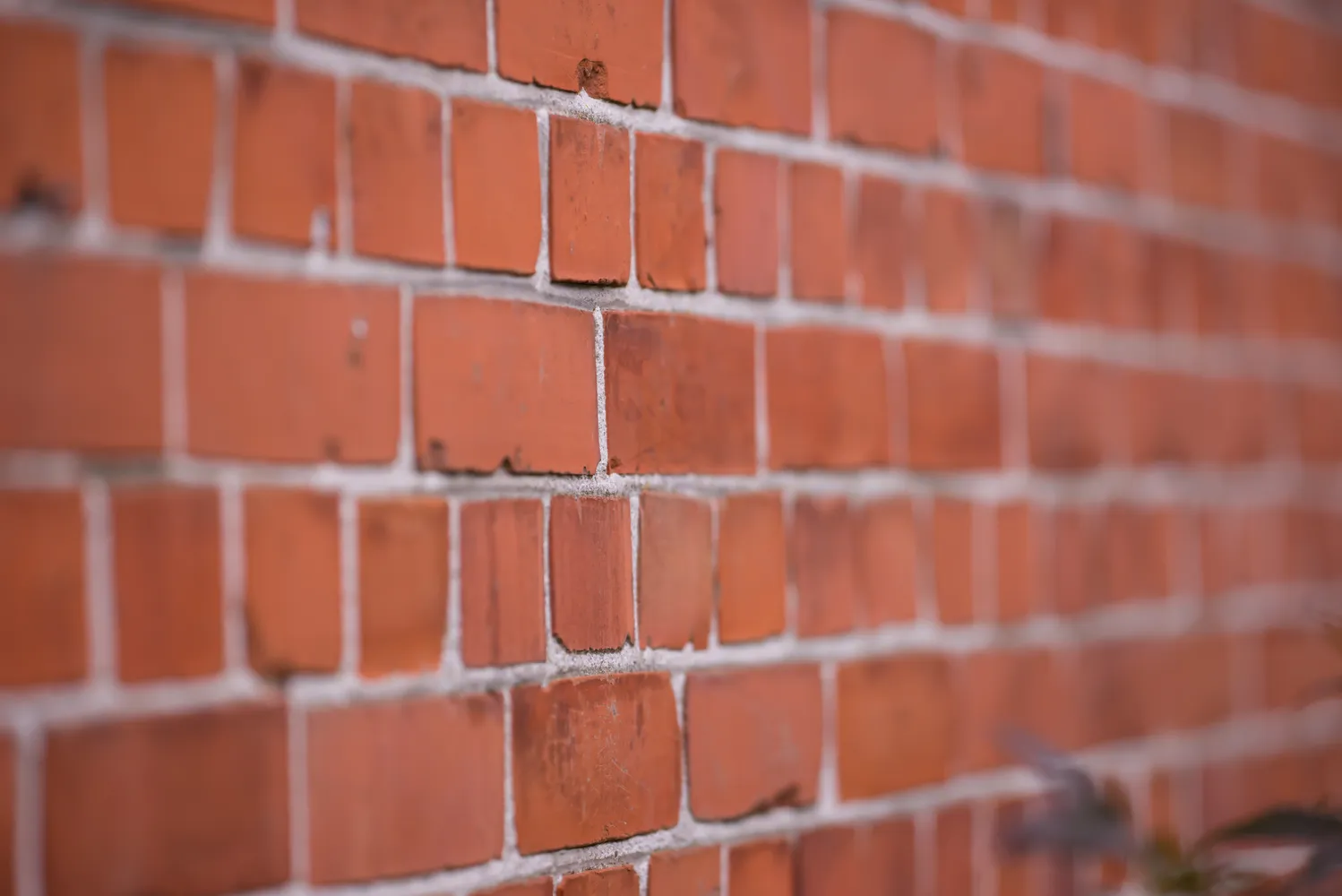
Tuckpointing is the process of removing deteriorated mortar from the joints of a brick wall and replacing it with new mortar that matches the color of the brick. This is followed by a “tuck” or a thin line of contrasting color to create the illusion of perfectly straight, narrow joints. Beyond the aesthetic appeal, this process is essential for keeping your chimney waterproof.
When homeowners start investigating the average cost of tuckpointing a chimney, they are often trying to weigh the expense of repair against the looming threat of a total rebuild. If you catch the decay early, tuckpointing can extend the life of your chimney by decades. If you wait until the bricks themselves start to shift or fall out, you are looking at a much more invasive and expensive masonry project.
Factors That Influence the Price Tag
There is no “one size fits all” price when it comes to masonry work. Several variables will dictate your final quote.
Height and Accessibility – The difficulty of reaching your chimney is a major factor. A single story home with a chimney that is easily accessible via a standard ladder will naturally be less expensive than a three story Victorian home requiring specialized scaffolding. If your roof has a steep pitch or if there are obstacles like power lines or delicate landscaping, the labor hours will increase significantly.
Severity of the Mortar Decay – Masonry professionals typically assess the depth of the damage. If the mortar has only eroded a quarter of an inch, the grinding process is relatively straightforward. However, if the decay is deep or if the chimney is structurally unstable, the prep work becomes much more labor intensive. This is a primary reason why the average cost of tuckpointing a chimney can fluctuate so widely between two houses on the same street.
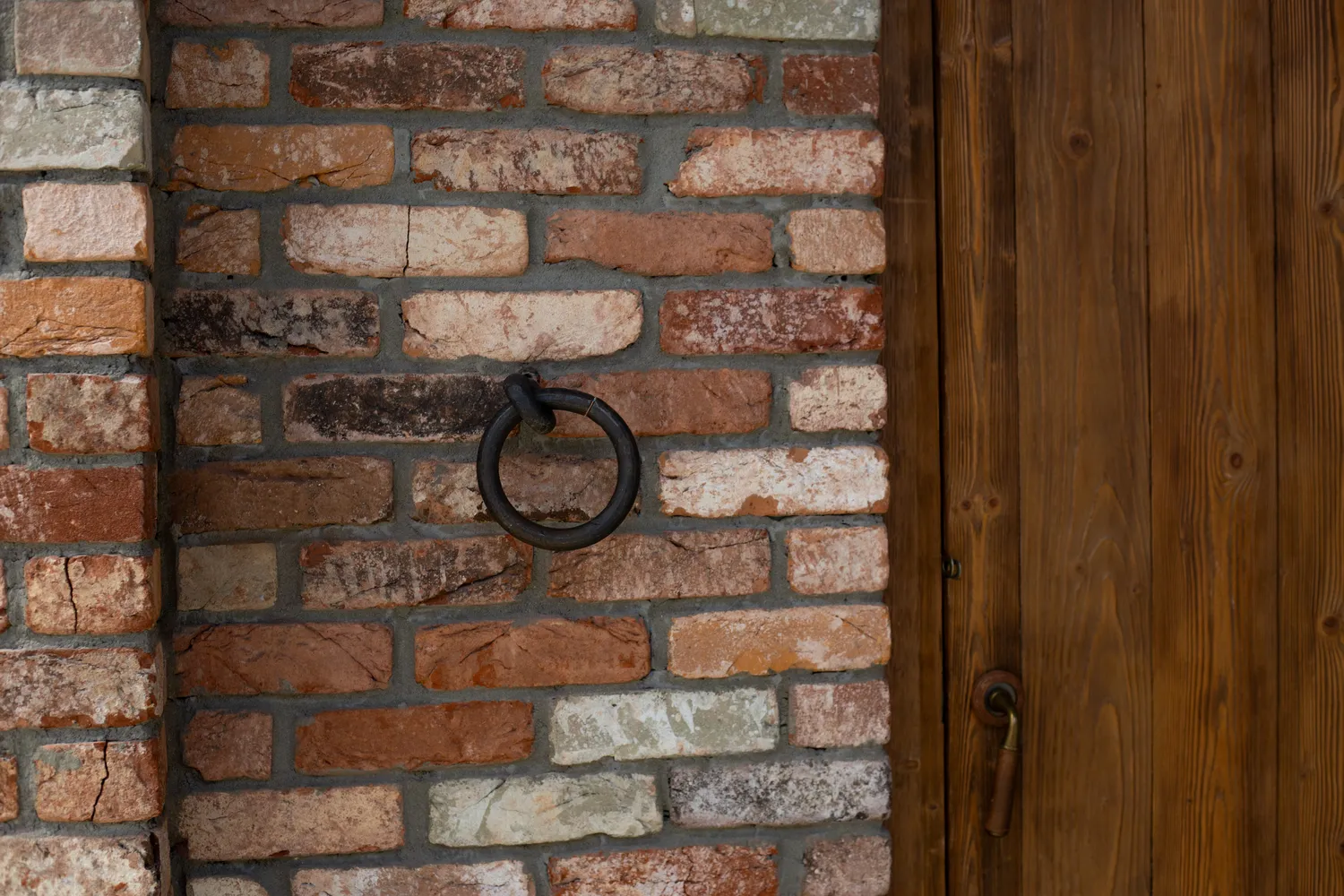
Material Matching – For historic homes, matching the original mortar is an art form. Modern mortar mixes are often too hard for old, handmade bricks and can actually cause them to crack. Professionals must carefully analyze the sand, lime, and pigment of the existing structure to create a compatible bond. The more specialized the materials, the higher the overhead for the contractor.
The Value of Professional Expertise
It might be tempting to treat masonry repair as a weekend DIY project, but chimney work requires a level of precision that is difficult to master without years of experience. A poorly executed tuckpointing job can actually trap moisture inside the brick, leading to “spalling” where the faces of the bricks pop off during a freeze-thaw cycle.
When you begin to search for masonry contractors near me, it is essential to look for specialists who understand chimney dynamics specifically. A general contractor might know how to lay a brick path, but a chimney specialist understands the heat requirements and the specific flashing needs of a roofline. When seeking near me, always prioritize those who offer a detailed inspection before providing a quote.
Regional Variations in Pricing
Where you live plays a massive role in what you can expect to pay. In areas with a high cost of living or regions that experience harsh winters, labor rates for skilled masons are higher. In the Northeast or the Midwest, where the freeze-thaw cycle is a constant threat, masons are often in high demand during the spring and fall.
Because of these regional differences, the average cost of tuckpointing a chimney will look different in a rural town compared to a major metropolitan area. Local building codes and permit requirements can also add an extra layer of administrative cost that is often overlooked in initial estimates.
Avoiding “Sticker Shock” Through Maintenance
The best way to manage the financial aspect of chimney repair is to be proactive. Waiting for visible piles of mortar dust on your roof or leaks in your attic means the damage has already progressed quite far.
-
Annual Inspections: Have a professional look at your chimney every year.
-
Waterproofing: Applying a vapor-permeable water repellent after tuckpointing can keep the new mortar in great shape for longer.
-
Crown Repair: Often, mortar damage starts at the very top. Keeping the chimney crown sealed prevents water from running down into the vertical joints.
Ultimately, while the financial investment might seem significant upfront, it is a fraction of the cost of a structural failure. By doing your research and understanding the variables involved, you can navigate the process with confidence and ensure your home stays dry and safe for years to come.