If you’re planning masonry repairs on your home, understanding the minimum temperature for tuckpointing is not just a minor detail; it is the difference between a repair that lasts 30 years and one that fails by next spring. Whether you’re a DIY enthusiast or planning to hire masonry contractors, this guide covers the science, the rules, and the exceptions.
The Golden Number: Why 40°F is the Line in the Sand
The industry standard minimum temperature for tuckpointing is 40°F (4.4°C) and rising. This isn’t an arbitrary number set by picky masonry contractors; it is a chemical requirement. When you mix Portland cement or lime mortar with water, a process called hydration begins. This is not just “drying”; it is a crystal-forming chemical reaction.
When temperatures drop below 40°F, two things happen:
-
Hydration slows to a crawl. The mortar doesn’t gain strength.
-
Freezing becomes a threat. If the water inside the wet mortar freezes, it expands by 9%. This shatters the delicate crystalline structure of the curing mortar, turning it into a weak, crumbly paste.
If you’re researching “tuckpointing near me” or looking for a local pro in the winter, any reputable contractor will follow this 40°F rule strictly.
The Hidden Danger: The 24-Hour Window
Even if the daytime high hits 50°F, you must consider the overnight low. When searching for masonry contractors or planning a weekend project, you need to monitor the forecast for at least 24 hours after application. Fresh mortar is most vulnerable to freeze-thaw damage in its first 48 hours.
A common scenario: A homeowner decides to tackle tuckpointing on a sunny November afternoon. The temp is 45°F. They finish at 4 PM. By 2 AM, the temperature drops to 28°F. The result? In spring, the new mortar joints will be cracked, hollow-sounding, and will require a full redo. This is often why masonry contractors in colder climates stop booking exterior tuckpointing jobs between late November and early March.
What Happens If You Break the Rule? (Signs of Frost Damage)
If tuckpointing is done below the minimum temperature for tuckpointing, the damage is often invisible at first but unmistakable by spring. Look for:
-
Scaling or Flaking: The surface of the mortar joint looks like peeling skin.
-
White Powdery Dusting: Freezing pushes water to the surface, leaving excessive efflorescence.
-
Hollow Sound: Tap the joint with a screwdriver. A solid joint rings; a frost-damaged joint thuds.
This damage is irreversible. The only fix is grinding out the compromised mortar and starting over at full cost.
Can You Tuckpoint in Winter? Yes, With These Protections
If you have an emergency chimney leak and cannot wait for spring, professional masonry contractors can work in cold weather using specialized methods. If you’re seeking “tuckpointing near me” in December, ask potential contractors these three specific questions:
-
“Do you use heated water and sand?” Mixing mortar with warm water (up to 120°F) can kickstart hydration to beat the initial cold snap.
-
“Do you use winter-grade admixtures?” Accelerators (like calcium chloride, used sparingly and only by pros) speed up the set time so mortar gains strength before the freeze hits.
-
“Do you tent and heat the wall?” For chimney work, masonry contractors often erect plastic enclosures and use indirect propane heaters to keep the brick surface and ambient air above 40°F for 48 hours.
Important Note for DIYers: Do not use standard calcium chloride accelerators in large amounts on historic brick. It can cause efflorescence and corrode metal wall ties.
Special Rule for Chimneys: The Elevation Factor
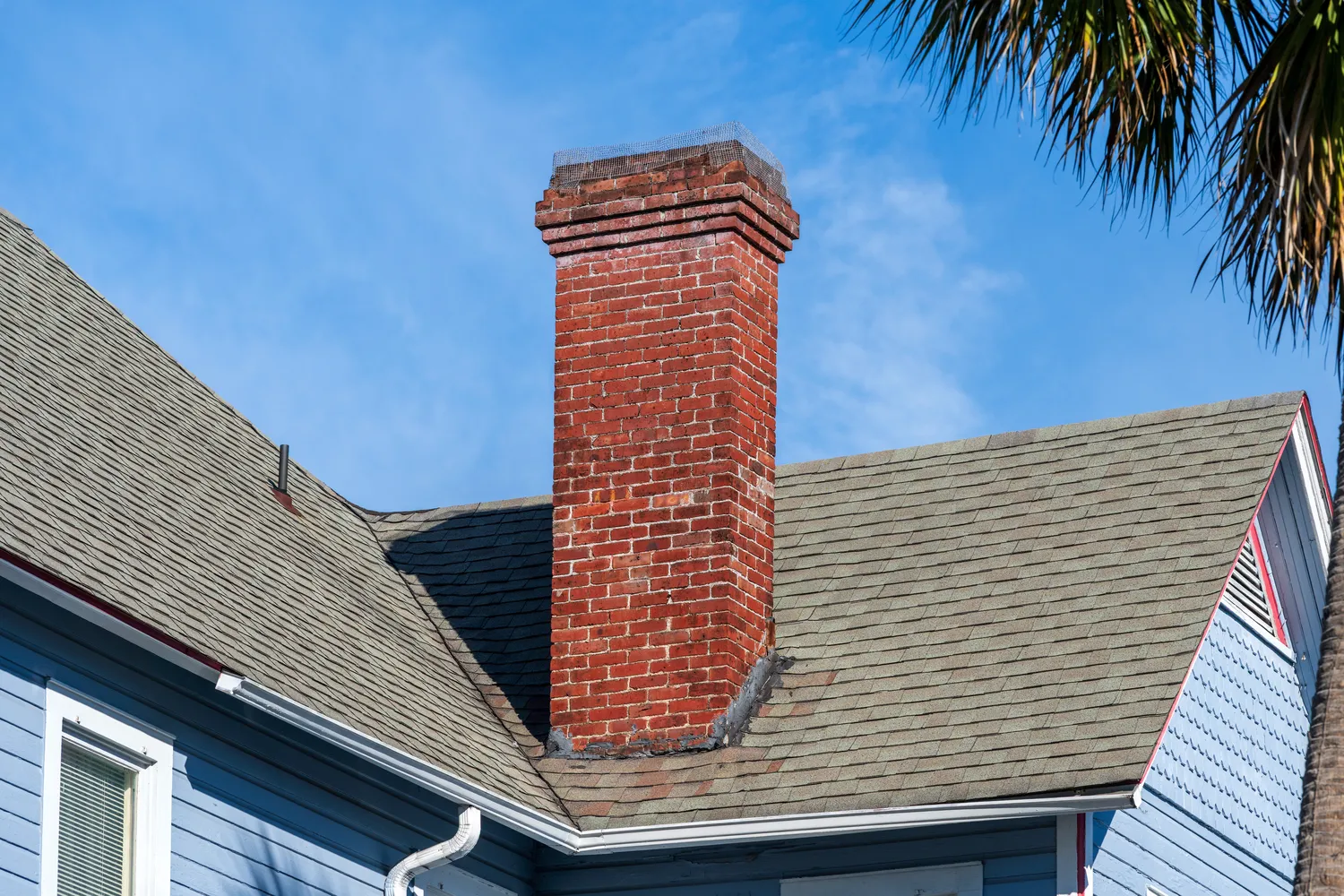
If your tuckpointing project involves a chimney, the minimum temperature for tuckpointing becomes even more critical. Chimneys are exposed to wind chill and are often colder than the ground-level thermometer reading. Experienced masonry contractors will often add a 5 to 10 degree buffer for chimney work. If the ground forecast is 40°F, the chimney cap at 30 feet might already be below freezing.
Regional Considerations: When “Tuckpointing Near Me” Means Different Timelines
When you search for tuckpointing near me, your location dictates the ideal season:
-
Northern States (IL,MN, WI, MI): Masonry contractors typically stop exterior tuckpointing by October 15th and resume mid-April.
-
Mid-Atlantic (PA, OH, NY): The window often closes by Thanksgiving and reopens in late March.
-
Southern States (TX, FL, GA): You can often perform tuckpointing year-round, though summer heat (above 90°F) brings its own issues with flash setting.
The “Near Me” Solution: Why Local Expertise Matters
This is precisely why searching for masonry contractors with local experience is vital. A national franchise might send a crew out on a 38°F day because the “calendar says it’s okay.” A local mason who knows your specific microclimate knows that the north-facing wall of your house will stay frozen until noon.
If you’re considering DIY but the forecast is iffy, ask yourself: Is saving the labor cost worth the risk of doing the entire job twice? Given the time investment required for grinding old mortar, the answer is usually no.
Final Verdict: Wait for the Right Weather
If you are looking at a thermometer and it says 35°F, do not mix that mortar. Patience is the most important tool in tuckpointing. Waiting for a consistent 40°F and rising trend will ensure the bonds between your bricks remain strong, watertight, and intact for decades. If you absolutely must proceed in the cold, searching for “tuckpointing near me” to find qualified masonry contractors with cold-weather protection equipment is the only safe path forward.
Your home’s brick exterior is designed to last a century. Don’t let one cold night cut that lifespan short. Respect the minimum temperature for tuckpointing, and your walls will thank you.