June 30, 2026
How to Repair Crumbling Mortar Between Bricks?
Brick is one of the strongest and most attractive building materials, but the mortar between the bricks does not last forever. Over time, weather, moisture, age, and freeze-thaw cycles can cause mortar joints to crack, loosen, or crumble. When this happens, it is important to understand how to repair crumbling mortar between bricks before the damage spreads and affects the strength of the wall, chimney, steps, or foundation.
At Expert Masonry and Tuckpointing, we know that damaged mortar is more than just a cosmetic issue. Mortar holds bricks together, seals out moisture, and helps support the entire masonry structure. When it starts falling apart, water can enter the joints, bricks can shift, and larger repairs may become necessary.
Why Mortar Starts to Crumble
Mortar can break down for several reasons. Older mortar naturally weakens with age, especially if it has been exposed to rain, snow, humidity, and temperature changes for many years. In colder climates, water can enter small cracks, freeze, expand, and make the cracks worse. This repeated cycle slowly pushes mortar apart.
Poor original installation can also cause problems. If the wrong mortar mix was used, or if the joints were not properly filled, the mortar may fail sooner than expected. Harsh cleaning chemicals, pressure washing, and constant water exposure from bad drainage or leaking gutters can also speed up deterioration.
If you notice powdery mortar, gaps between bricks, loose pieces, or water stains, it may be time to look into repairs.
Step 1: Inspect the Damaged Mortar
Before any repair begins, the masonry should be carefully inspected. Some mortar damage is minor and limited to a small area, while other damage may be a sign of deeper structural problems.
Check for loose bricks, bulging walls, stair-step cracks, missing mortar, and areas where water seems to collect. If the damage is on a chimney, foundation, or load-bearing wall, it is best to contact professional masonry contractors instead of trying to handle the job yourself.
Many homeowners search for “masonry contractors near me” when they notice crumbling mortar because experienced professionals can determine whether the problem needs simple joint repair or more advanced masonry restoration.
Step 2: Remove the Old, Loose Mortar
The next step is removing the damaged mortar from the joints. This is usually done with a joint raker, chisel, or grinder. The goal is to remove loose and crumbling material without damaging the surrounding bricks.
Typically, the old mortar should be removed to a proper depth so the new mortar has enough space to bond. If only the surface is patched, the repair may not last long. The joints should then be cleaned of dust and debris using a brush or low-pressure air.
This step must be done carefully. Bricks, especially older ones, can crack or chip if too much force is used. That is one reason many property owners prefer hiring Expert Masonry and Tuckpointing for detailed mortar joint work.
Step 3: Match the Mortar
A good repair requires the right mortar mix. The new mortar should match the existing mortar in strength, color, texture, and composition. Using mortar that is too hard can damage older brick because it does not allow the wall to move naturally.
Color matching is also important for appearance. Fresh mortar that does not match the original joints can make the repair stand out. Professional masons know how to blend mortar so the finished work looks clean and natural.
If you are wondering how to repair crumbling mortar between bricks, remember that matching the mortar is one of the most important parts of the process. A repair should not only be strong, but also look like it belongs with the existing brickwork.
Step 4: Apply New Mortar
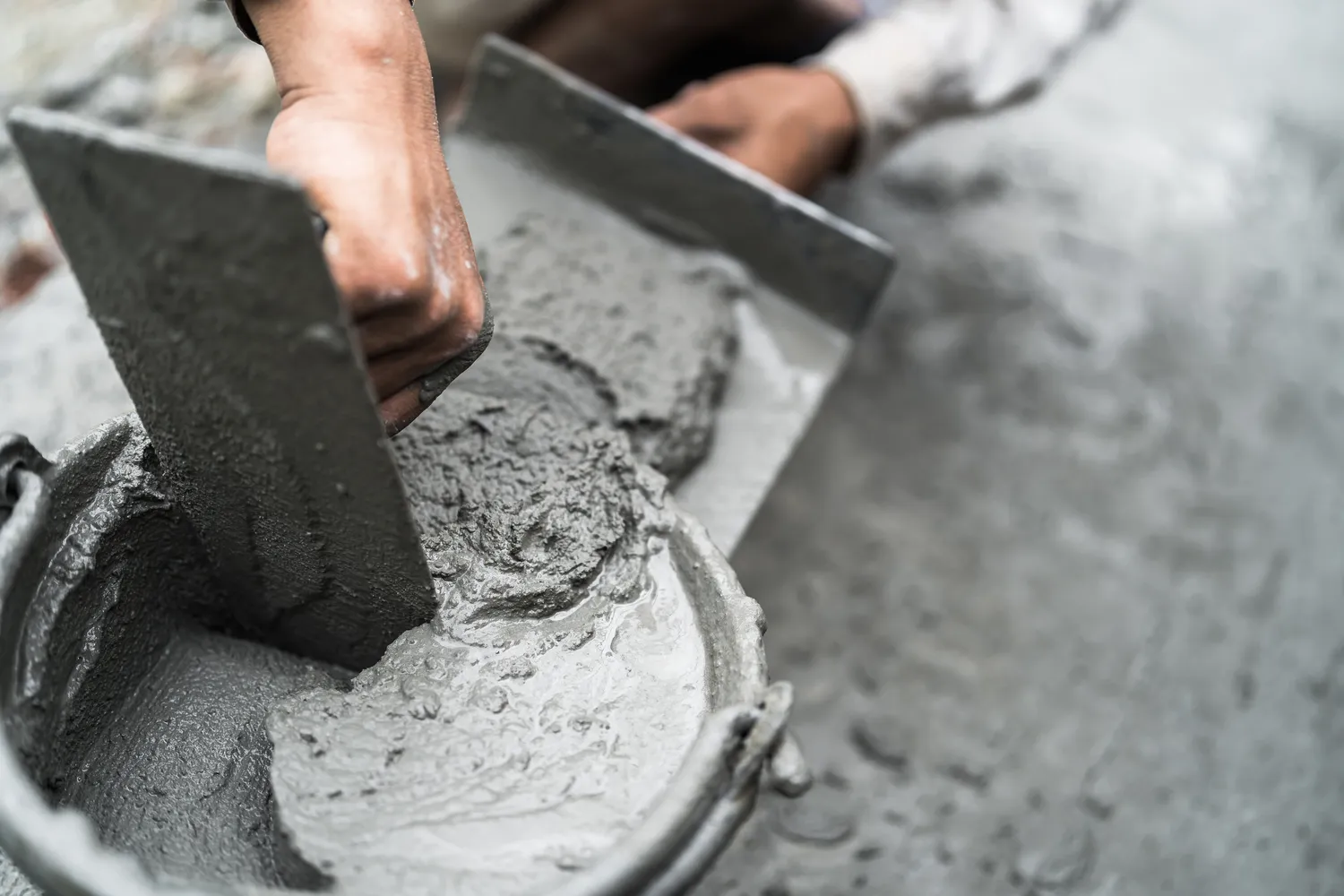
Once the joints are cleaned and prepared, the new mortar is packed into the gaps using a pointing trowel. The mortar should be pressed firmly into the joint so there are no hollow spaces. Proper filling helps prevent water from getting behind the brick.
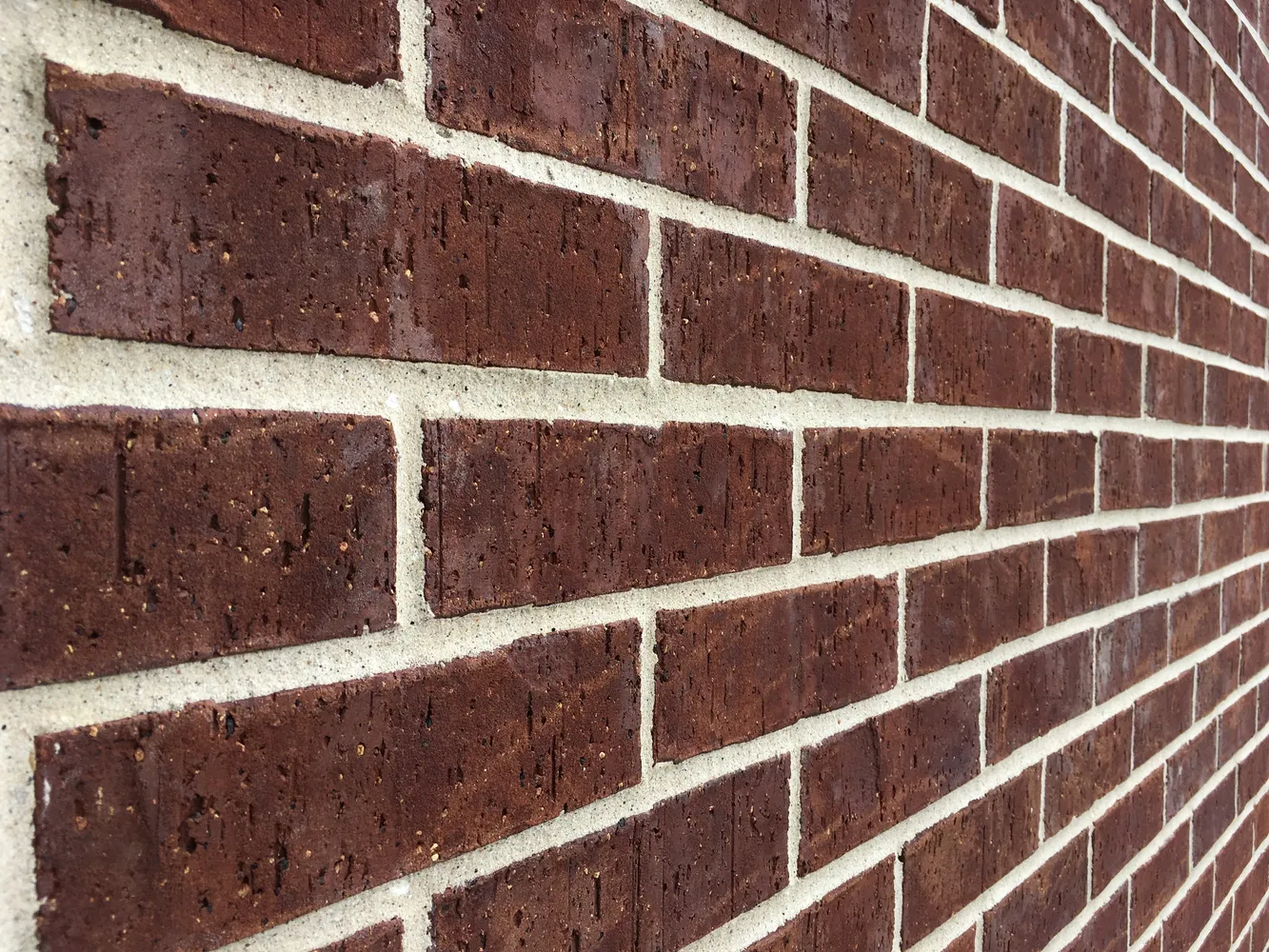
After the mortar begins to set, the joints are shaped to match the existing style. Common joint finishes include concave, flush, weathered, or V-shaped. The right finish helps shed water and gives the wall a uniform appearance.
This process is commonly known as tuckpointing. Professional tuckpointing restores deteriorated mortar joints, improves curb appeal, and helps protect the masonry from future water damage.
Step 5: Cure and Protect the Repair
Mortar needs time to cure properly. During this period, it should be protected from heavy rain, freezing temperatures, direct harsh sunlight, or rapid drying. If mortar dries too quickly, it can crack or weaken.
The curing process is one reason timing matters. Masonry repairs are often best done in mild weather, when temperatures are not too hot or too cold. A professional team can choose the right materials and conditions to help the repair last.
When to Call a Professional
Small cosmetic mortar repairs may seem simple, but larger areas of crumbling mortar should be handled by experienced masonry contractors. If the damage is widespread, located high on a chimney, near a foundation, or connected to water intrusion, professional service is the safer and smarter choice.
When looking for “tuckpointing near me” or searching for “how to repair crumbling mortar between bricks near me,” choose a company with experience, proper tools, and knowledge of different brick and mortar types.
Expert Masonry and Tuckpointing provides reliable masonry repair, mortar joint restoration, chimney tuckpointing, brick repair, and full masonry restoration services. Our team focuses on long-lasting results, clean workmanship, and preserving the strength and beauty of your brickwork.
Protect Your Brickwork Before Damage Gets Worse
Crumbling mortar should never be ignored. What begins as a small gap between bricks can lead to moisture problems, loose brick, structural damage, and more expensive repairs in the future.
If you are unsure how serious the damage is, Expert Masonry and Tuckpointing can inspect your masonry and recommend the right solution. Whether your home needs minor repairs or full tuckpointing, taking action early can protect your property and extend the life of your brickwork.
Understanding how to repair crumbling mortar between bricks is the first step. Hiring the right professionals is the best way to make sure the repair is done correctly, safely, and built to last.